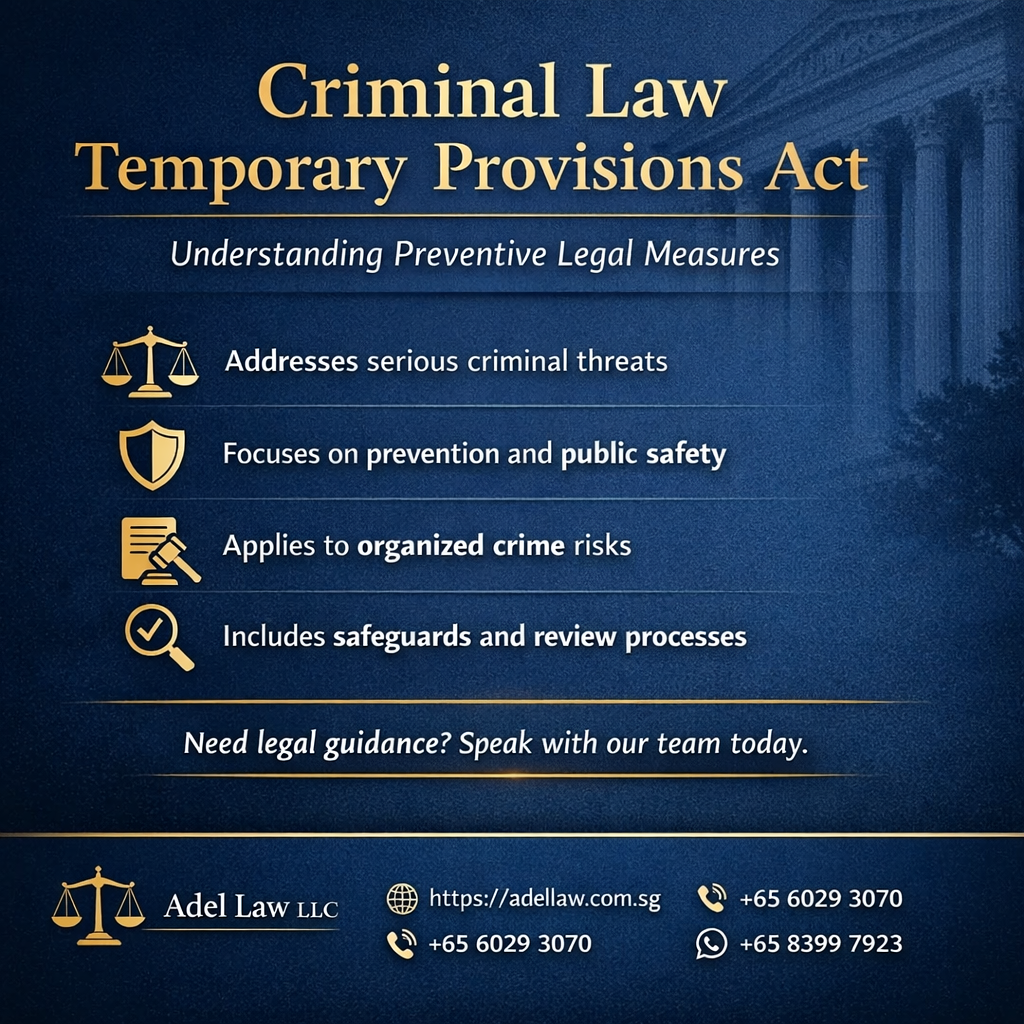
The Criminal Law Temporary Provisions Act (CLTPA) is a legal framework that allows governments to respond to serious criminal threats when ordinary criminal laws may not be sufficient. It is generally intended for exceptional situations involving organized crime, gang activity, or other significant public safety concerns.
While the details differ across jurisdictions, the purpose of this legislation is to provide authorities with additional powers while maintaining safeguards that protect individual rights. Understanding how these temporary legal provisions work can help the public better appreciate the balance between security and civil liberties.
What Is the Criminal Law Temporary Provisions Act?
The Criminal Law Temporary Provisions Act is designed to give authorities additional powers to prevent serious criminal activity before it escalates. Unlike standard criminal legislation, these measures are introduced to address specific risks that require a faster or more flexible legal response.
Depending on the jurisdiction, the Act may include powers such as:
- Preventive detention in limited circumstances
- Restrictions on suspected criminal organizations
- Enhanced investigative powers
- Measures aimed at disrupting organized crime
Rather than focusing only on punishment after an offence has occurred, this legislation emphasizes crime prevention.
Why Governments Introduce Temporary Criminal Law Measures
Governments may adopt temporary criminal law measures when dealing with exceptional threats that challenge ordinary enforcement methods. Examples include:
- Organized crime syndicates
- Gang-related violence
- Terrorism risks
- Large-scale drug trafficking
- Serious public order concerns
These laws are intended to provide law enforcement agencies with additional tools while remaining subject to legal oversight. Nevertheless, their use often generates debate regarding due process, accountability, and the protection of civil liberties.
Key Features of the Criminal Law Temporary Provisions Act
Although implementation varies between countries, several characteristics are commonly found.
1. Preventive Action
Authorities may intervene before serious criminal activities occur by monitoring or restricting suspected criminal operations where legally permitted.
2. Temporary and Reviewable Powers
The additional powers are typically subject to periodic review. Legislatures may amend, renew, or repeal the provisions depending on whether the circumstances still justify their use.
3. Focus on Serious Criminal Activity
These measures are generally reserved for major offences involving organized or violent crime rather than everyday criminal matters.
4. Legal Oversight
Many jurisdictions include safeguards such as review panels, appeal mechanisms, or independent oversight to ensure the powers are exercised fairly and responsibly.
Benefits and Concerns
Like any special legal framework, this legislation has both strengths and limitations.
Potential Benefits
- Helps prevent serious crimes before they occur
- Supports faster law enforcement responses
- Disrupts organized criminal networks
- Enhances public safety during periods of elevated risk
Common Concerns
- Temporary measures may remain in force for extended periods
- Questions regarding procedural fairness and due process
- Broad enforcement powers may affect civil liberties
- Ongoing oversight is necessary to maintain accountability
Because of these considerations, many governments regularly review the legislation to determine whether it remains appropriate.
How the Act Affects the Public
For most people, the Criminal Law Temporary Provisions Act has little impact on daily life because it primarily targets individuals suspected of involvement in serious criminal activity.
Nevertheless, understanding this legal framework can help citizens:
- Know their legal rights
- Understand public safety policies
- Recognize the scope of law enforcement powers
- Stay informed about changes in criminal legislation
Transparency, judicial oversight, and public accountability remain essential to maintaining confidence in the legal system.
Conclusion
The Criminal Law Temporary Provisions Act is a legal mechanism intended to address serious criminal threats when conventional laws may not provide sufficient protection. By granting additional powers to authorities while incorporating safeguards, it seeks to balance effective crime prevention with respect for individual rights.
As with any extraordinary legal measure, ongoing review, transparency, and accountability are essential to ensuring that these powers remain justified, proportionate, and consistent with the rule of law.